
Spice Pantry
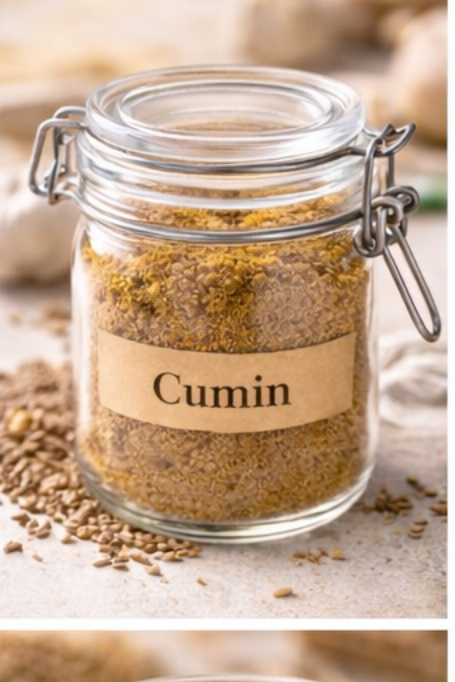
Cumin
Warm, earthy, and slightly smoky, cumin is a backbone spice in Mediterranean, Middle Eastern, Indian, and Mexican cooking. It adds depth to dishes like falafel, lentil soups, curries, chili, and roasted vegetables. A small amount goes a long way in building rich, savory flavor.
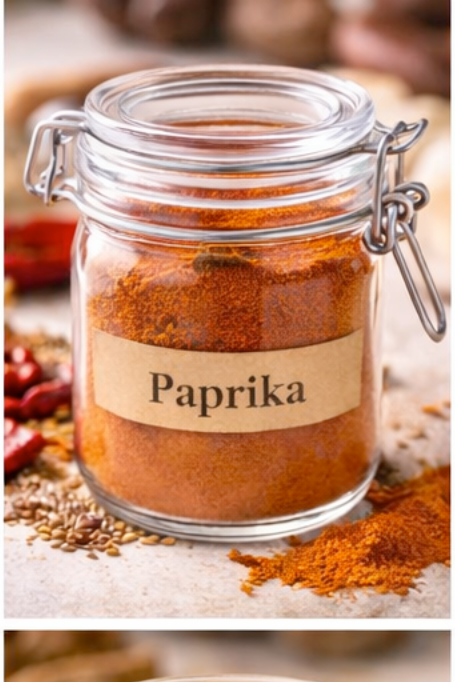
Paprika (Sweet & Smoked)
Paprika brings color and mild sweetness to Mediterranean and Eastern European dishes, while smoked paprika adds a deep, smoky complexity. It’s essential for Spanish cooking, roasted potatoes, grilled meats, stews, and even simple egg dishes.
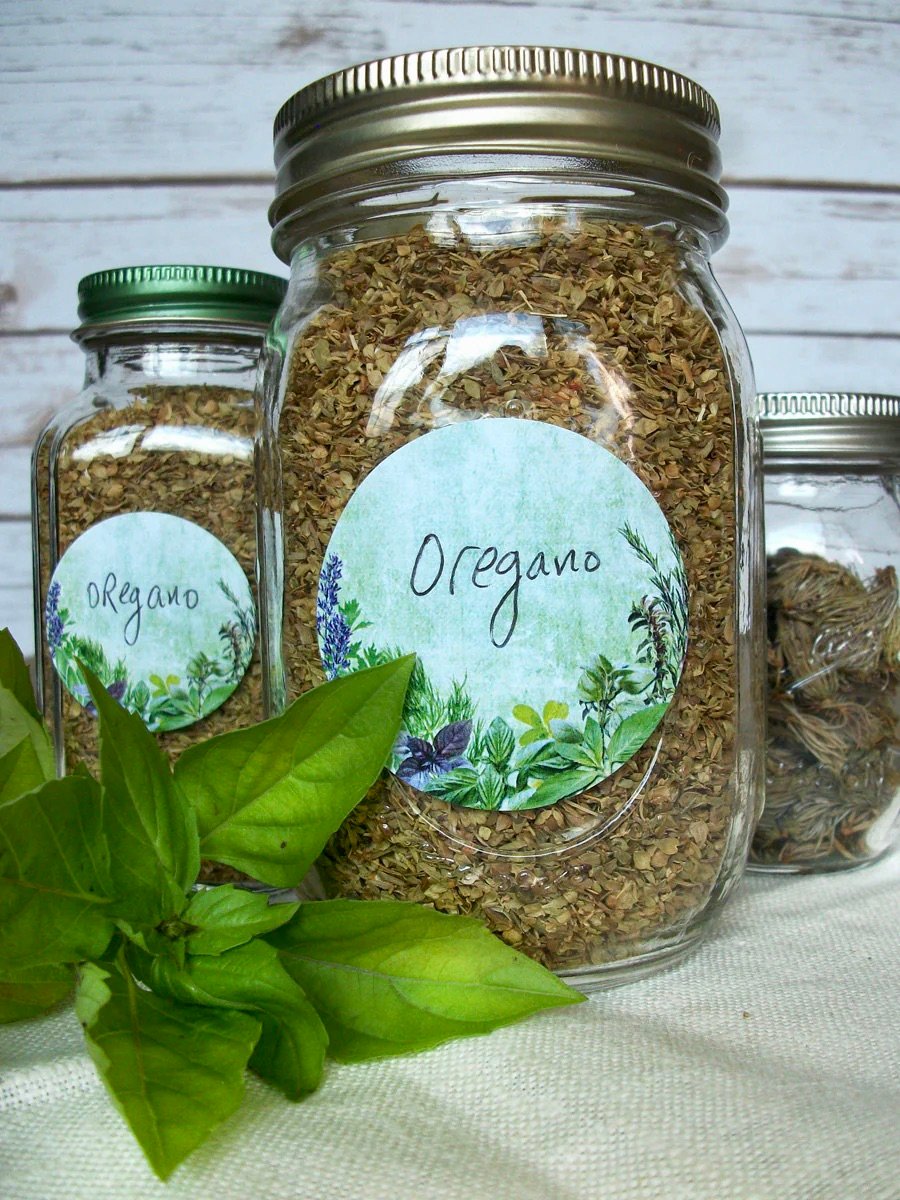
Oregano
A true Mediterranean staple, oregano has a bold, herbal flavor that shines in Greek, Italian, and Turkish cooking. It’s perfect for tomato sauces, roasted vegetables, grilled meats, and salad dressings, adding that classic sun-dried Mediterranean aroma.
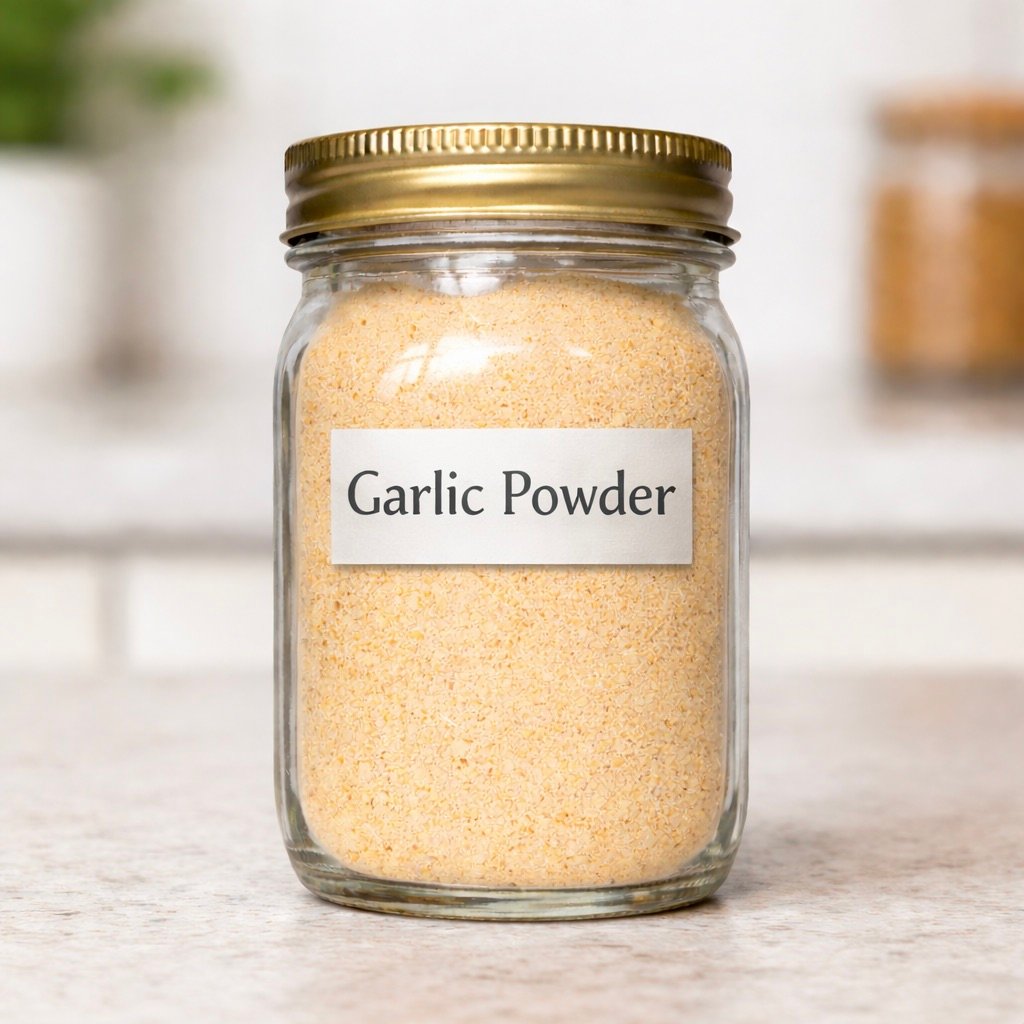
Garlic Powder
While fresh garlic is irreplaceable, garlic powder is a kitchen workhorse for quick seasoning. It blends smoothly into rubs, marinades, sauces, and roasted dishes, providing consistent garlic flavor without overpowering other ingredients.
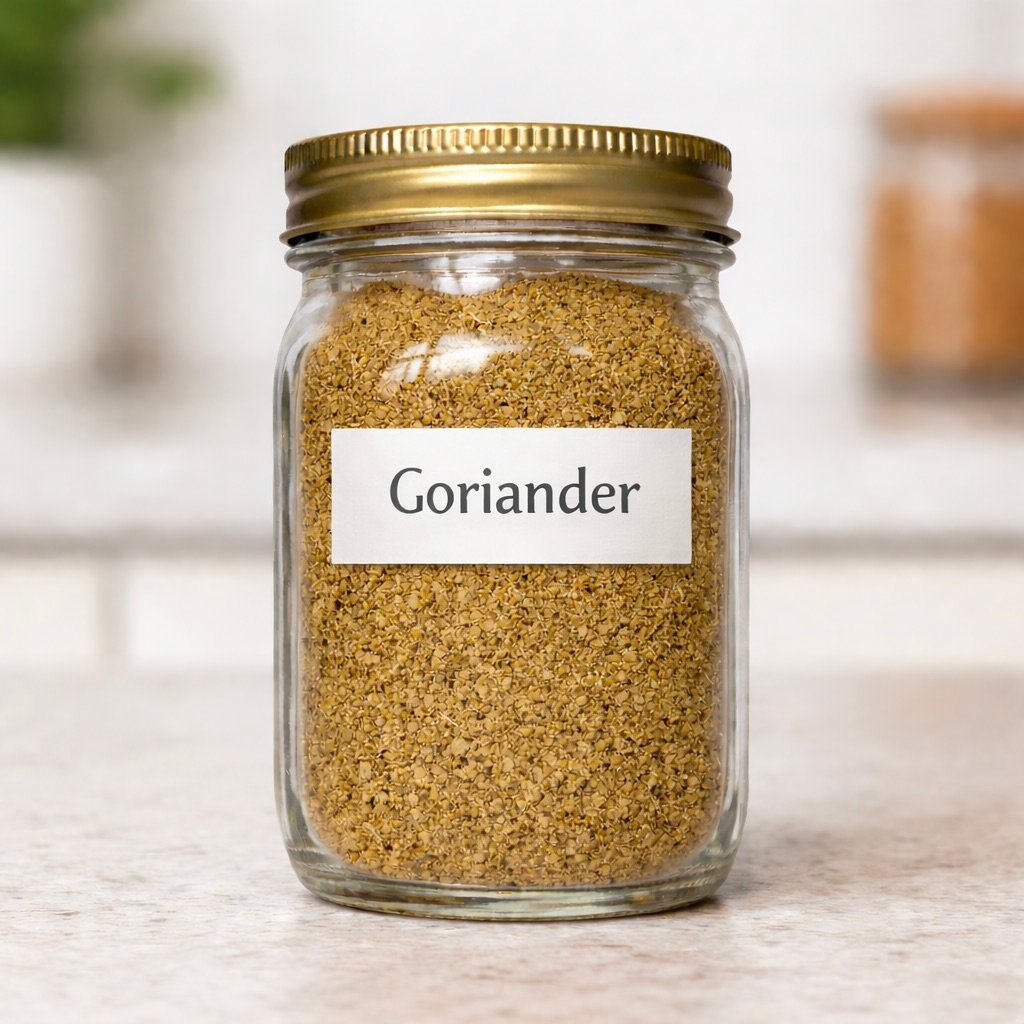
Coriander (Ground)
Coriander has a warm, citrusy note that balances spices beautifully. Common in Middle Eastern, Indian, North African, and Latin cuisines, it’s excellent in spice blends, curries, soups, and roasted vegetables.
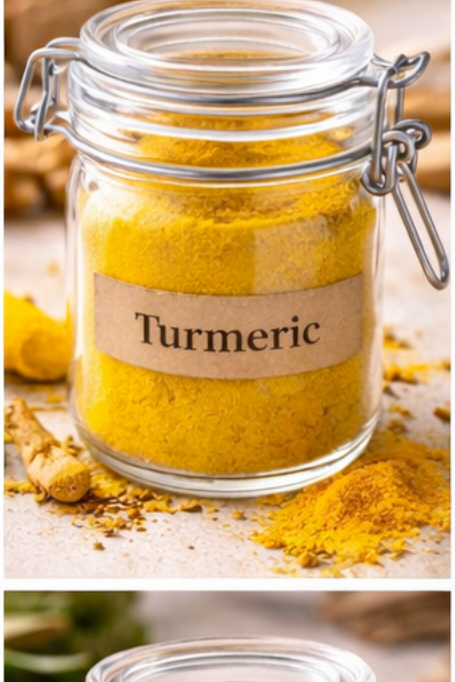
Turmeric
Bright, earthy, and slightly bitter, turmeric is widely used in Indian, Middle Eastern, and North African cooking. Beyond its vibrant golden color, it adds warmth to rice, lentils, soups, and vegetable dishes and pairs beautifully with cumin and coriander.
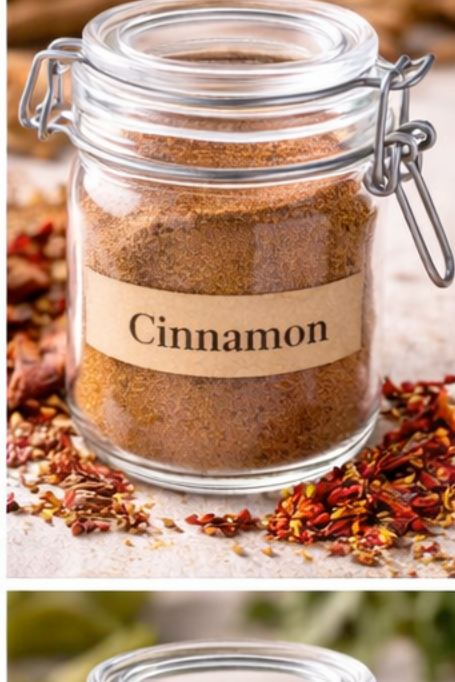
Cinnamon
Not just for sweets, cinnamon is a key savory spice in Mediterranean and Middle Eastern cuisine. It adds warmth and subtle sweetness to stews, rice dishes, tagines, and spiced meats, creating depth without tasting sugary.
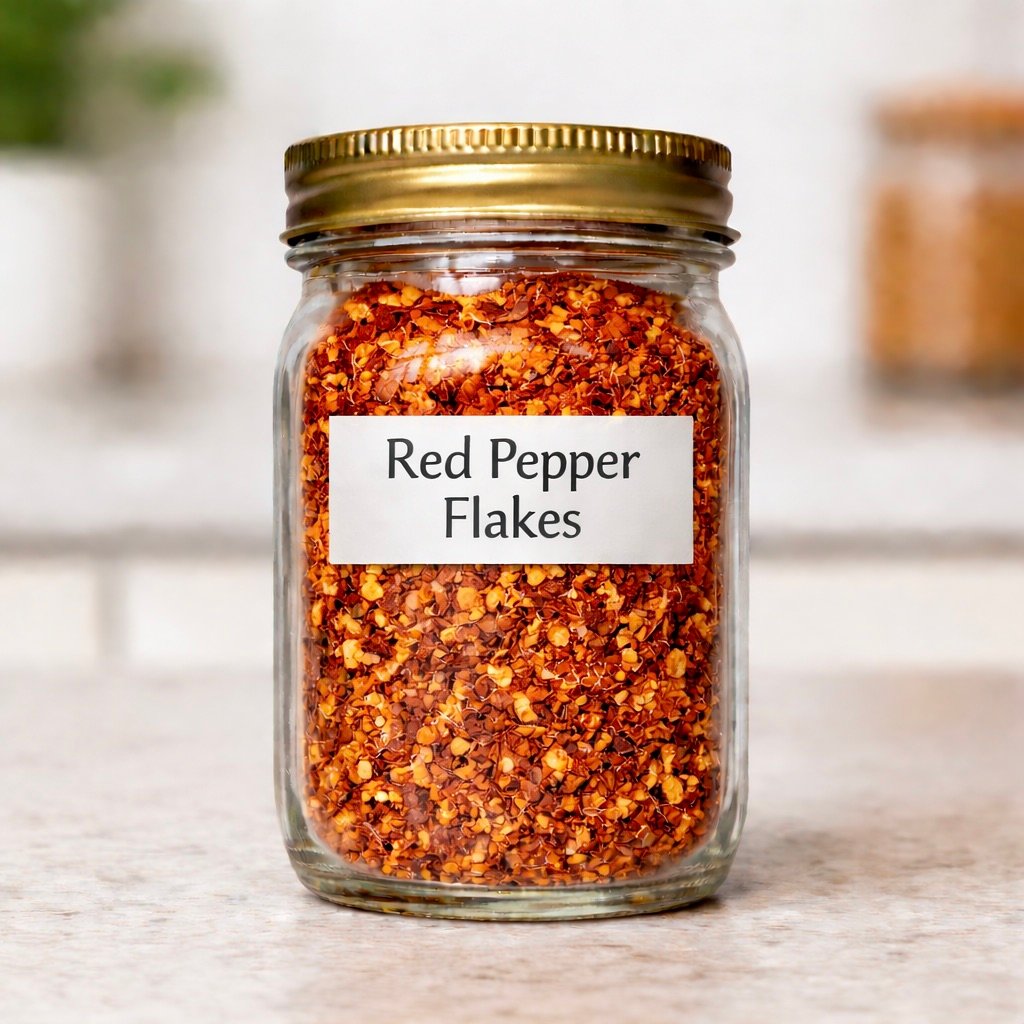
Red Pepper Flakes (Crushed Chili)
These bring controlled heat and brightness to pasta, olive oil, roasted vegetables, and grilled dishes. Red pepper flakes allow you to add spice gradually, making them ideal for everyday cooking across many cuisines.
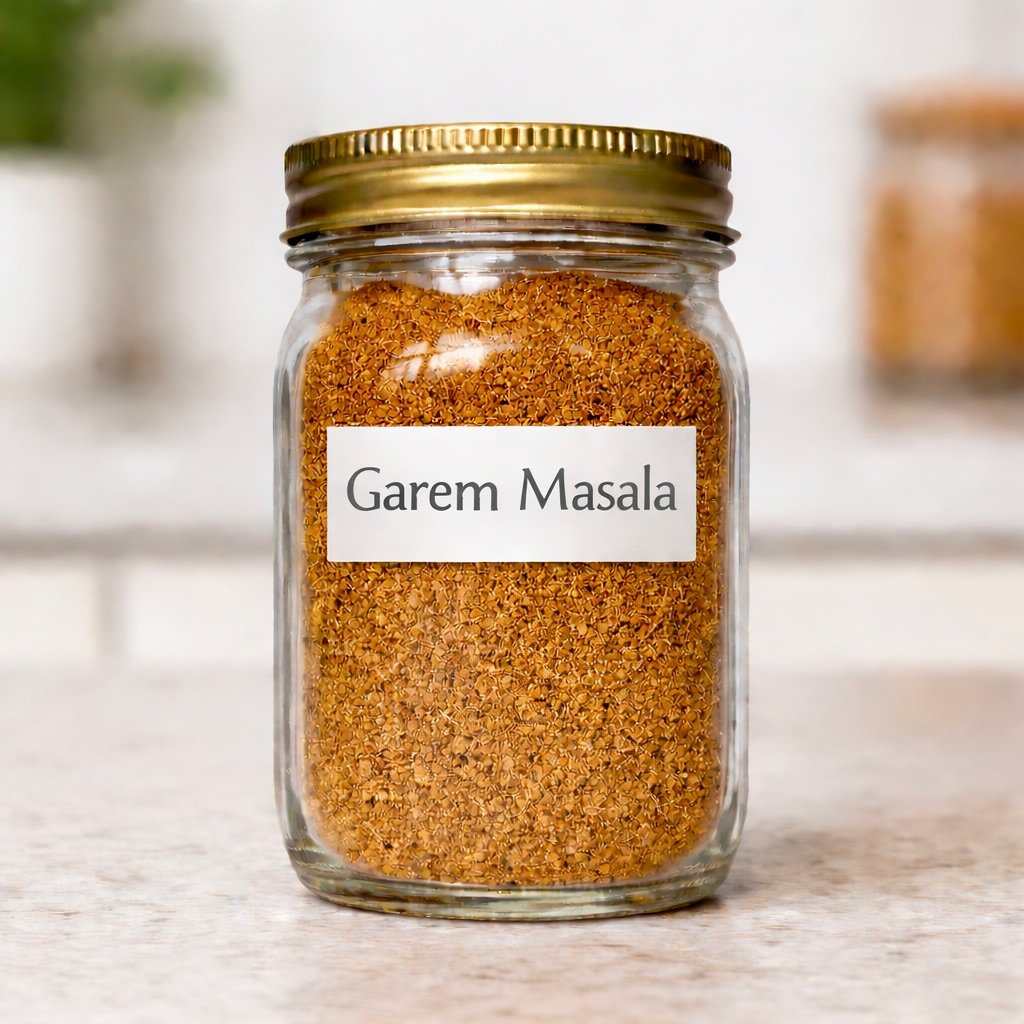
Garam Masala
A fragrant blend of warming spices, garam masala is essential for Indian-inspired cooking. It adds complexity to curries, roasted vegetables, lentils, and even marinades, delivering depth without overpowering heat.
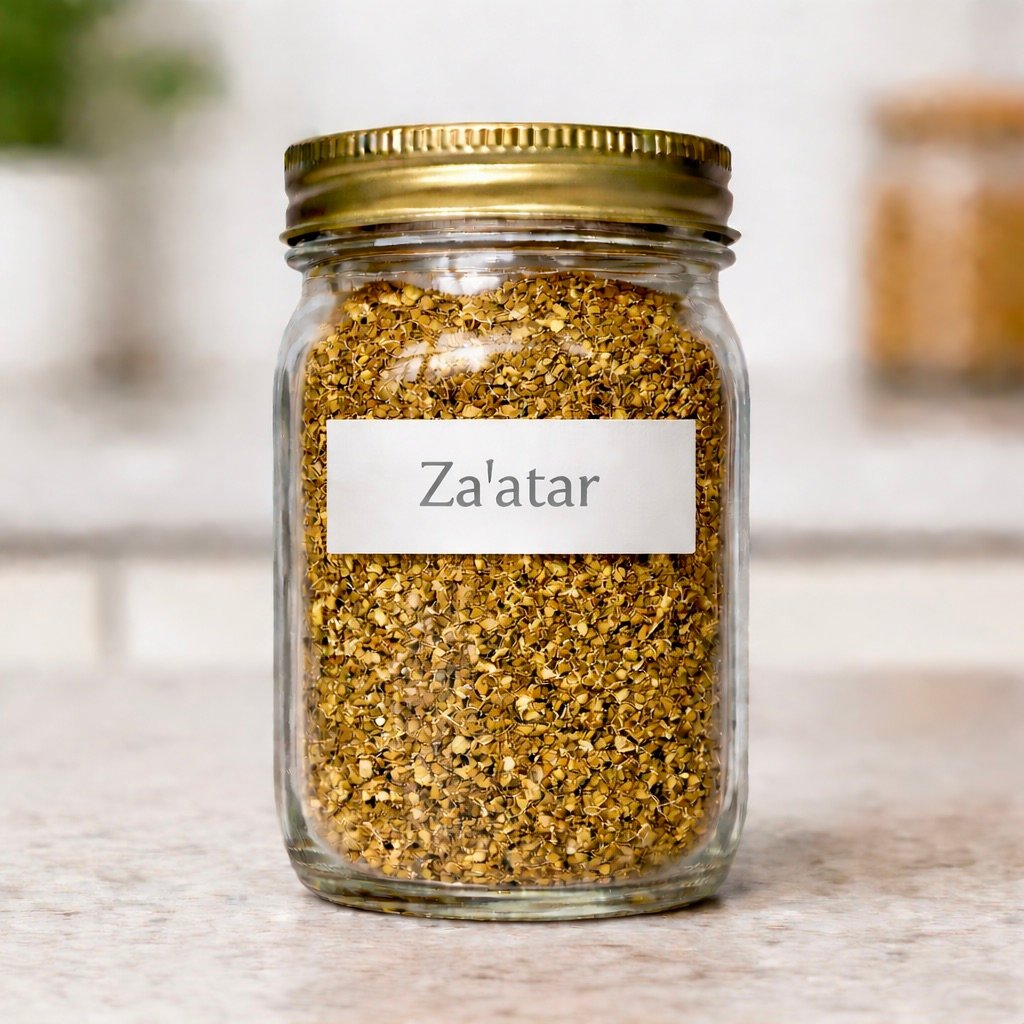
Za’atar
This Middle Eastern spice blend combines herbs, sesame seeds, and sumac for a tangy, earthy flavor. It’s fantastic sprinkled over flatbreads, roasted vegetables, grilled meats, or mixed with olive oil for dipping bread.
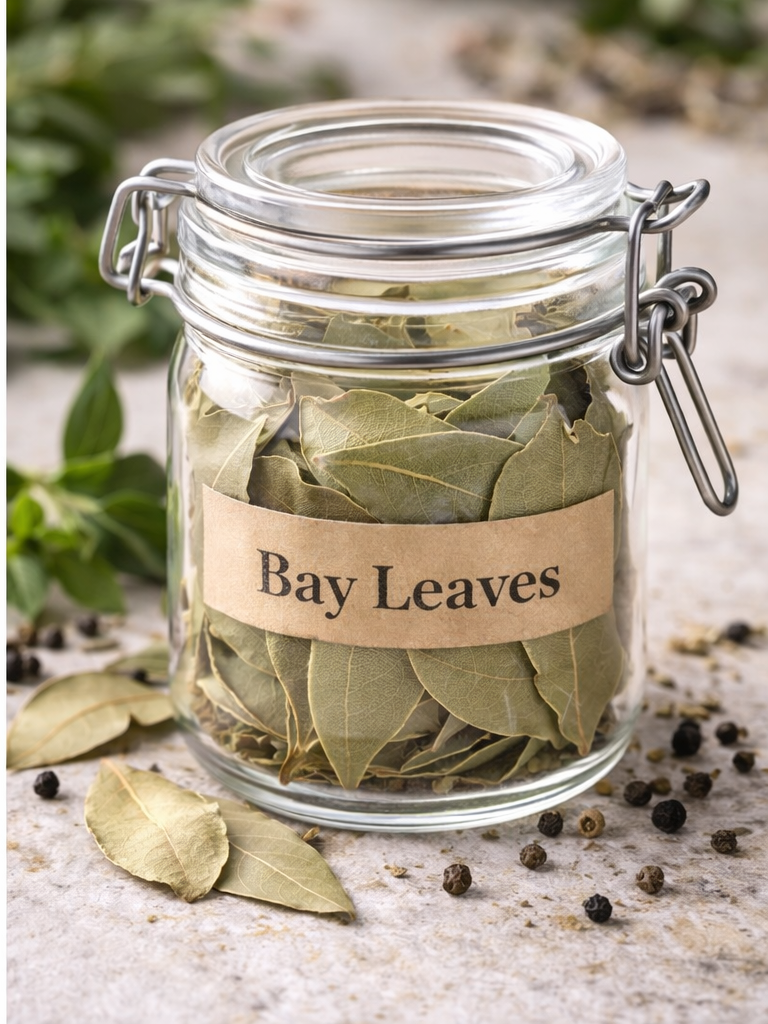
Bay Leaves
Often overlooked, bay leaves quietly enhance soups, sauces, stews, and braises. They add subtle herbal depth during slow cooking and are a foundational flavor in Mediterranean, European, and global comfort foods.
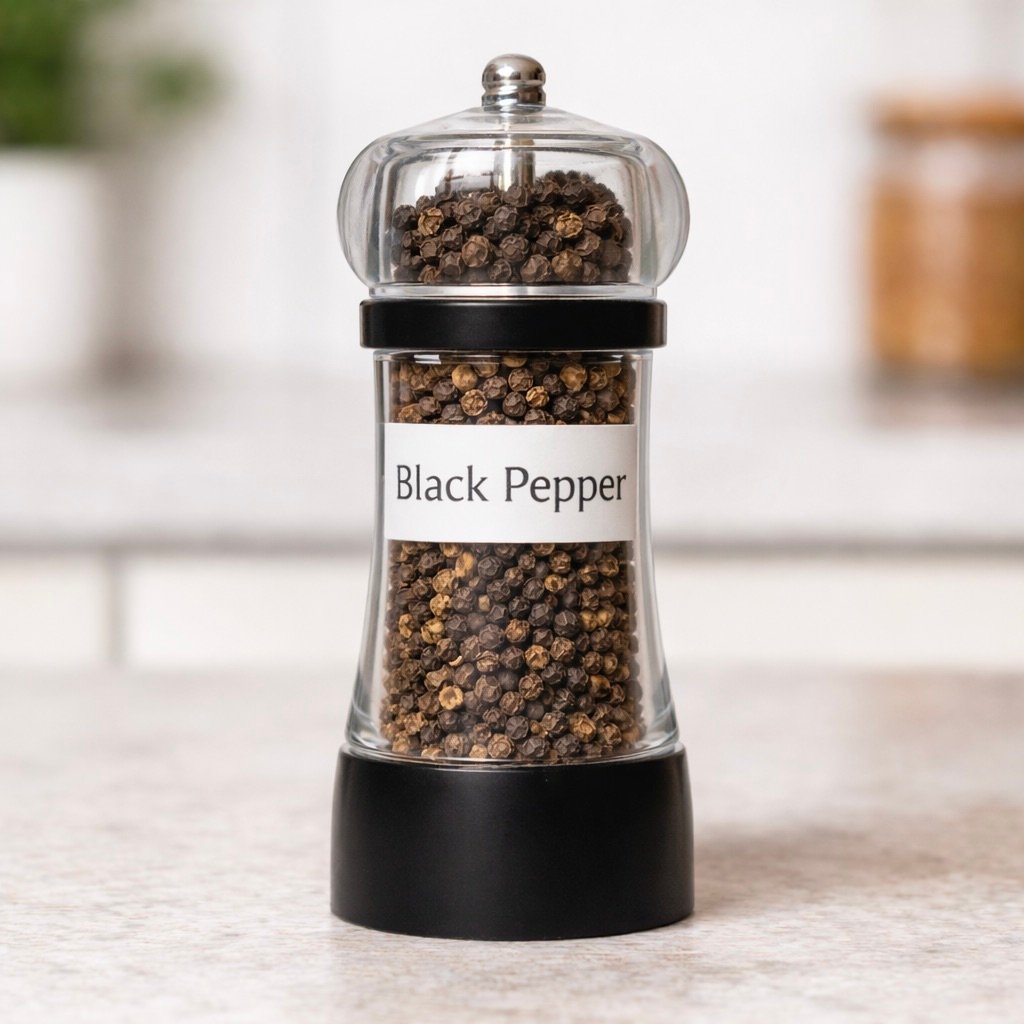
Black Pepper (Freshly Ground)
Freshly ground black pepper is essential across every cuisine. Its sharp, aromatic heat elevates everything from pasta and eggs to meats, vegetables, and soups, making it one of the most important spices in any kitchen.
The Spices I Can’t Cook Without: Mediterranean & Global Kitchen Essentials
If you open my spice drawer, you won’t find anything fancy or hard to pronounce—but you will find the flavors I reach for almost every single day. These are the spices that quietly do the heavy lifting in my kitchen, turning simple ingredients into meals inspired by the Mediterranean, the Middle East, India, and beyond.
You don’t need a massive spice collection to cook flavorful food. A small, well-chosen lineup can take you from weeknight dinners to slow Sunday cooking with confidence. These are the essential Mediterranean and global spices every home cook should own—and actually use.
Why Spices Matter More Than You Think
Spices are the difference between “fine” and wow. They build depth, warmth, and balance without relying on heavy sauces or complicated techniques. In Mediterranean and global cooking especially, spices are what give food its soul—whether it’s cumin in falafel, smoked paprika on potatoes, or cinnamon tucked into a savory stew.
The goal isn’t to overwhelm your pantry. It’s to stock spices that work hard across many cuisines.
How to Build a Spice Pantry Without Overwhelm
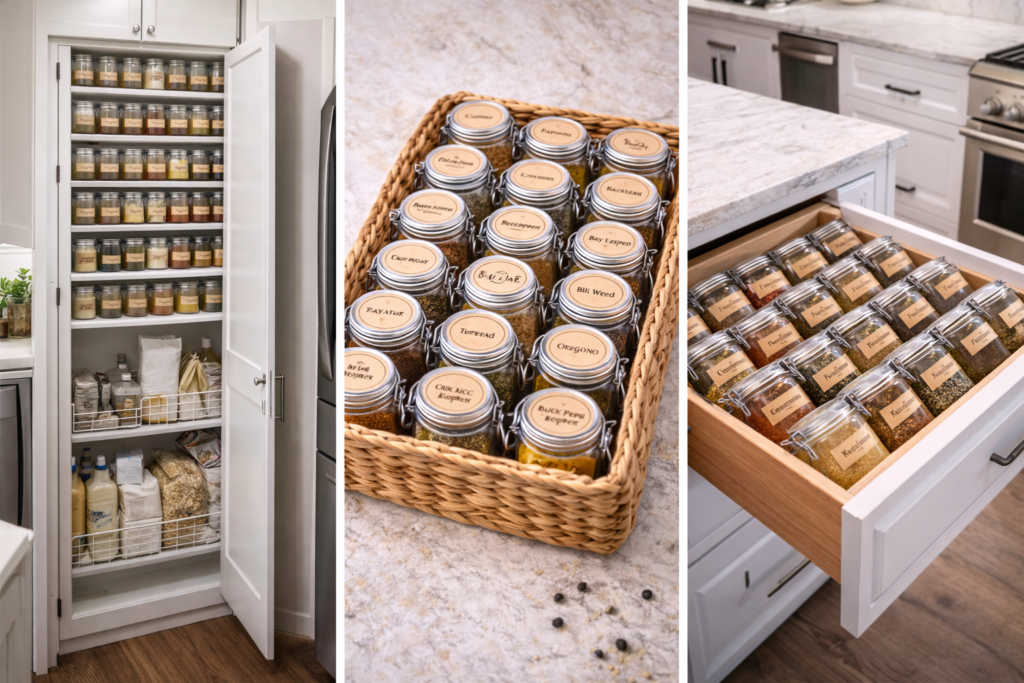
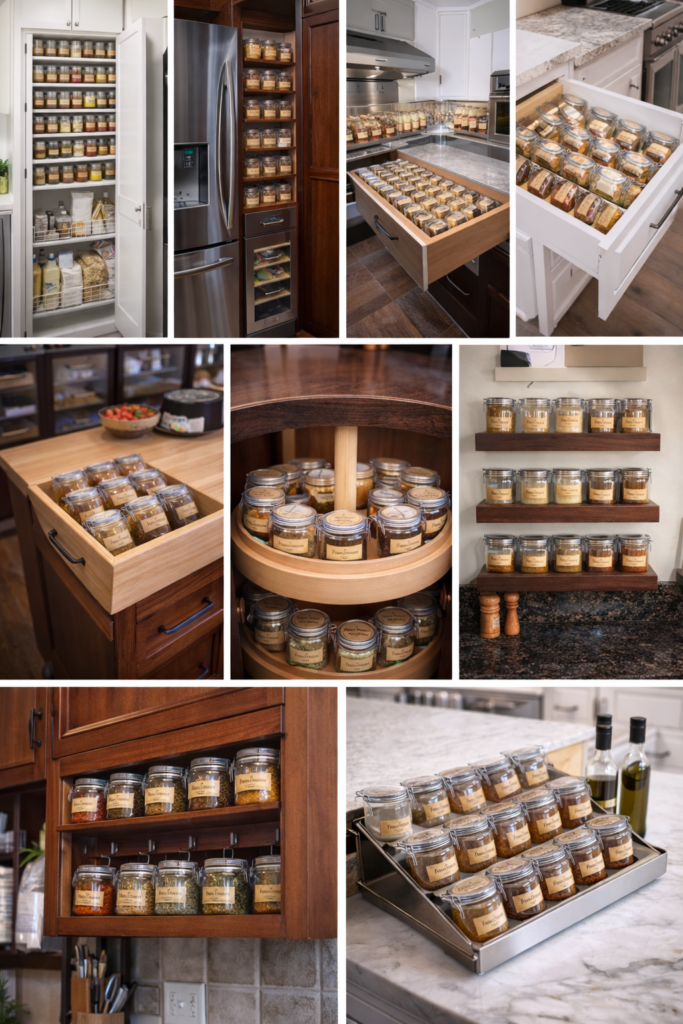
You don’t need to buy everything at once. Start with the spices you’ll actually use and add more as your cooking expands. Focus on quality over quantity, store spices away from heat and light, and replace them when they lose aroma.
A small, well-loved spice collection is better than a drawer full of forgotten jars.
Final Thoughts
These spices are the foundation of Mediterranean and global home cooking. With just a handful of them, you can cook confidently, season intuitively, and bring big flavor to everyday meals.
If you love recipes like falafel, gozleme, samosas, curries, and simple vegetable-forward dishes, these spices will serve you again and again.